
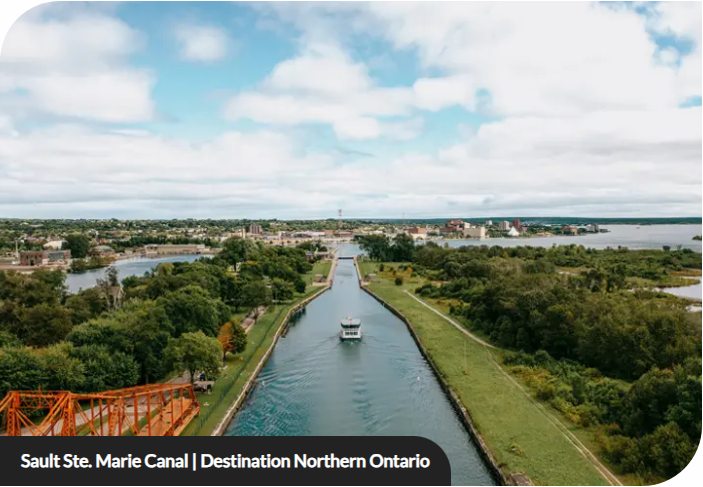
Tourism · Culture · Economic diversification
Tourism and the creative economy
A resilient economy depends not only on which companies we can recruit, but on why people would choose to visit, stay, return, invest, and build a life in Sault Ste. Marie.
I want the city to pursue destination-led economic diversification: developing the experiences, places, businesses, recreation, culture, and public spaces that make the Sault more rewarding to visit and more enjoyable to call home. This is not a replacement for steel, manufacturing, logistics, forestry, mining supply, technology, or professional services. It is another economic engine that can make the whole city less dependent on any one employer or industry.
Develop the destination—not only the advertisement
Marketing matters, but it works best when the underlying experience keeps getting better. We should ask what gives someone a reason to make the trip, stay another night, spend with local businesses, and come back.
That can mean connected experiences rather than isolated attractions: a waterfront activity leading naturally to a restaurant, independent shop, performance, night market, accommodation, trail, heritage stop, or another experience the next day. Downtown, the waterfront, and other areas can develop distinctive identities instead of being asked to follow one model.
A stronger evening economy can support restaurants, live music, theatre, comedy, cinema, recreation, festivals, and late-night food. It also requires practical attention to transportation, accessibility, noise, safety, harm reduction, and nearby residents. Recreation and culture belong in this work because they can create employment, animate underused places, strengthen local identity, and improve daily life. Indigenous tourism or cultural initiatives must be Indigenous-led or co-developed with consent, governance, and shared benefit.
Make local creativity part of the economic plan
Music, theatre, film, writing, craft, food, and living heritage are work as well as culture. I want independent creators to have clearer access to municipal arts support, suitable spaces, paid opportunities, and help reaching audiences beyond the Sault. Funding should have understandable applications, fair selection, and public reporting—not depend on knowing the right person.
Work with willing artists, cultural organizations, venues, businesses, and local media on a shared events calendar and promotion beyond the region. Explore showcasing local recordings in City-owned venues with permission and appropriate licensing. Exposure should support a creator’s livelihood, not replace payment or control of their work.
Indigenous cultural experiences must be led by or developed with the relevant communities, with consent and shared benefit. Francophone programming and accessible visitor information can also strengthen belonging while giving visitors more ways to experience the city.
A destination music festival with local roots
I want to explore a destination music festival built with local organizers, featuring local performers alongside visiting talent, artisan vendors, and food businesses. Connect the main event with smaller venues, restaurants, accommodation, and activity across the city.
Any municipal role in funding or co-administration should come with a clear budget, capable partners, accessibility, transport and safety planning, fair artist pay, and a realistic way to measure visitor spending and local benefit. Build on existing festivals rather than crowd them out. No event, funding, or partnership is already secured.
Smaller steps matter too: regular and scheduled busking, serviced food-truck parks, and seasonal markets can make ordinary days more lively. Larger ideas such as Mosaic deserve a proper feasibility review, not a promise before the evidence is in.
Compete in three connected markets
Visitors
Can we create experiences people deliberately choose—and enough connected activity to extend a visit?
People
Can students, returning residents, professionals, creators, entrepreneurs, and families see a credible future here?
Investment
Can clear rules, useful infrastructure, talent, and real demand make the Sault a sound place to put capital to work?
Progress in one market can help another: visitors support businesses; businesses create amenities; amenities can help attract and retain people; talent and larger markets can support investment. That is a theory to test, not an automatic result. The City should measure each link rather than assume the cycle will happen by itself.
Enable more than City Hall operates
Municipal government does not need to own every attraction, restaurant, venue, or tourism business. Its strongest role will often be planner, coordinator, infrastructure provider, regulator, convener, and catalyst. It can improve public spaces and wayfinding, coordinate transportation and events, clarify zoning and approvals, connect willing partners, and consider limited catalytic investment where the public return and risks are visible.
Temporary uses can test permanent ideas. Seasonal pedestrian streets, pop-up markets, events, and small attractions can establish demand before larger commitments are made. A serviced food-truck park and designated busking locations are two possibilities to examine with local businesses and artists. Successful trials can expand; unsuccessful ones should be able to end without leaving residents with a large permanent liability.
Publish the results
Before announcing success, establish the baseline. Then report useful indicators such as room nights and length of stay, attraction and event attendance, seasonal activity, visitor spending, commercial vacancy, pedestrian activity, use of major public spaces, business formation, private investment, population by age, graduate retention, and the public cost relative to the economic activity generated.
Not every measure is controlled by City Hall, and not every amenity exists only to produce a tourism return. The point is to distinguish evidence from promotion, reconsider work that repeatedly underperforms, and build on results that are genuinely useful to residents and the economy.
Build a Sault Ste. Marie people deliberately choose—to visit, experience, study in, return to, build businesses in, and call home.
Dignity and safety
Housing, care, and social support
Housing, mental health, addiction, poverty, and public safety belong at the centre of this platform. I want help that responds to the person, reaches them when it is needed, and makes a measurable difference in their life and their neighbourhood.
People should not have to reach a crisis before they can learn, connect, or contribute.
Start with the person, not the program
What does this person actually need, and what is the most effective way we can deliver it?
For one person, that may mean housing. For another, treatment or psychiatric care. For someone else, it may be employment support, transportation, identification, financial counselling, skills development, or someone capable of coordinating several services at once.
We need to understand the actual problem before prescribing the solution. Listen to the person, identify the barriers, and work with the responsible housing, health, and social-service providers on a coordinated response. A referral should not be mistaken for help delivered: follow up on whether the person could actually access the service and what happened next.
That means working with the stakeholders and organizations already doing the work: housing and health providers, social-service agencies, community and Indigenous organizations, outreach teams, and people with lived experience. Understand what is already available, where capacity is stretched, and which needs are not being met.
Together, identify service gaps and agree on who is best placed to fill them, what support is needed, and how referrals and follow-up should work. Build on effective existing services, strengthen partnerships, and avoid unnecessary duplication. The aim is a coordinated response that reaches people—not another disconnected program they have to navigate alone.
Immediate safety, treatment, recovery, stable housing, employment, and continuing assistance are different needs. Some people will need ongoing support. Be honest about that, respect their choices and circumstances, and do not make unrealistic promises of independence or a single fix. This work requires partners, not a claim that City Hall can provide every service or replace the clinical judgment of qualified providers.
- Understand the need
Listen, identify immediate risks, and find the practical barriers.
- Coordinate the support
Build on existing services and agree who can fill unmet needs.
- Check and adapt
Follow the result, close gaps, and change what is not working.
Measure what changes—and act on it
Appointments offered, referrals made, and dollars spent tell us about activity. They do not, by themselves, tell us whether someone's life improved. We need to ask what happened after the intervention:
- Did the person remain housed and become more stable?
- Did their health improve, and did avoidable emergency-service use decline?
- Did they find employment, develop useful skills, or overcome a practical barrier?
- Did they reconnect with family or other supportive people, where appropriate to their circumstances and wishes?
- Did they fall through a gap between agencies, wait without help, or lose support during a transition?
- Did the service produce the outcome we expected—and if not, what needs to change?
Use measures that fit the person's needs and the service's purpose. Report public results in aggregate and protect personal information. A person disappearing from a list or being moved somewhere else is not proof of success, and services should not be rewarded for avoiding the people whose needs are most complex.
When the evidence changes, our approach should change with it. I want us to re-coordinate services, recalibrate programs, and redirect resources where the evidence supports it—not protect a system simply because that is how we have always done things. For City-funded work, that means clear objectives and reviews; with other providers, it means working together on the changes needed and being clear about who is responsible.
Changing a program also means planning for the people who rely on it. Explain the evidence, arrange continuity of support, and check whether the revised approach works better.
Compassionate government and efficient government are not opposites. If we genuinely care about people, then we should care whether the solution is actually working.
Affordable homes people can actually live in
Safe, affordable rental housing is a basic part of a functioning city. I want more rental supply, accessible homes, and suitable infill and building reuse near services and transportation. Clearer approvals and carefully assessed use of municipal land can help, alongside partnerships with non-profit, Indigenous, and private housing providers.
I support pursuing a workable vacant-home tax to discourage homes being held empty during a housing shortage. Examine the authority, administration costs, fair exemptions, and appeals before adopting it. The City’s Housing Action Plan calls for assessing feasibility; that is not the same as a tax already being in force.
Indigenous communities, people with disabilities, renters, and people with lived experience of homelessness should help shape the response. Work with Social Services on supportive and income-geared housing; a market-rental target alone will not meet every need. Explore practical routes into home ownership without treating a proposed assistance program as funded or available before it has been assessed.
Timely, voluntary treatment and continuing care
I do not support forced addiction treatment as a general response to homelessness or social disorder. I want voluntary treatment that people can access when they ask for it, alongside stable housing, mental-health care, outreach, and continuing recovery support.
Work with mental-health and addiction providers, Indigenous and grassroots organizations, and people with lived experience to identify missing services and improve the hand-off between them. Advocate to Ontario for dependable funding for integrated care rather than leave municipal shelters and emergency services to absorb unmet health needs.
This position is about the response I want us to build, not a claim that every emergency has the same answer. Crisis assessment and treatment must follow applicable law, clinical judgment, and rights protections. CMHA Ontario’s discussion distinguishes involuntary admission from treatment consent.
Help people find a doctor—and stay connected to care
Physician recruitment and retention, access to community psychiatry, and reliable primary care deserve sustained attention. Work with health organizations and medical educators on the local conditions that help professionals train, settle, and remain here. Follow up on opportunities for local medical teaching and team-based care, including discussions with NOSM University.
The City can convene partners and advocate for capacity; it cannot promise a provincial health-service expansion or a doctor for every resident on its own. Report the commitments secured and the gaps that still need to be filled.
Income, food, and practical barriers
I will advocate for provincial social-assistance rates that better reflect the cost of basic needs. Poverty cannot be solved by moving its costs onto shelters, emergency services, or neighbours. Work with existing organizations on food security, identification, transport, benefits access, and employment support alongside housing and care.
Food relief, household income, transport, kitchen access, and cooking skills belong in the same conversation without being confused with one another. A cooking class can teach something useful; it cannot replace having enough food.
Shared spaces that work for everyone
I want usable washrooms, maintained public spaces, accessible recreation, and clear responses when behaviour puts others at risk.
Looking after vulnerable neighbours and looking after shared spaces belong together. People deserve dignity, and everyone should be able to use the community safely.
Arts, sports, recreation, and places to gather can be offered as opportunities in their own right. They should not be presented as substitutes for housing, healthcare, or treatment.
Local opportunity
More ways to make a living
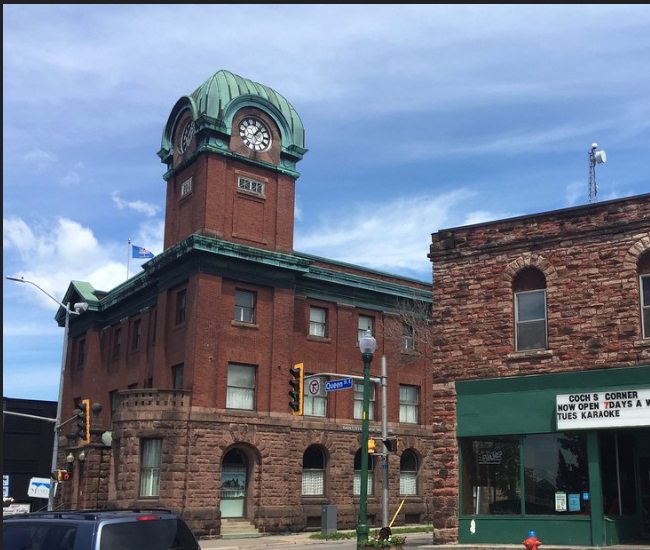
Local business. Living heritage. Underused spaces with a useful future.
Downtown Sault Ste. MarieI want a broader local economy, with more kinds of businesses and more opportunities for people to use their skills.
Tourism, arts, culture, and heritage are part of that picture. So are trades, manufacturing, repair, food, technology, and services that can reach customers outside our city. The aim is to develop several sources of income rather than expect one industry to carry every hope.
The economic goal is to bring new income in, retain more value where local provision makes sense, and turn some of it into skills, equipment, businesses, and future opportunities.
Help people get started
A person with a useful skill or a good idea should have a clear place to begin.
I want to bring together experienced business owners, tradespeople, educators, buyers, and willing property owners to help people take the next step. That could mean finding a mentor, understanding permits, accessing equipment, testing a product, or finding suitable space.
Shared workshops, business incubators, and commercial kitchens are possibilities where demand supports them. The purpose is practical help that gets people closer to serving real customers.
Food-truck parks and serviced gathering places
I want to explore a food-truck park in one coordinated parking lot, or a network of several designated locations across the city. Either approach could give food entrepreneurs a place to reach customers and give residents somewhere enjoyable to eat, meet, and spend time. Mobile vendors, nearby restaurants, property owners, and residents should help shape the proposal.
Suitable sites could have electrical and water utility tie-ins, safe wastewater disposal, waste collection, washroom access, shared seating, and accessible routes. A coordinated schedule could make each location dependable without requiring every vendor to operate every day. Servicing costs, food-vending licensing, health and fire requirements, traffic, noise, and winter operations would need to be assessed before choosing a model.
A few areas worth assessing
- Downtown near Queen Street and Gore Street: a suitable parking lot with a willing owner, connected to shops and street activity.
- The waterfront and Station Mall area: a possible coordinated location serving walks, events, and waterfront visits, subject to owner participation and existing uses.
- The Northern Community Centre area: a possible neighbourhood location to examine alongside recreation programming, parking needs, and any existing food-service arrangements.
These are areas to investigate, not selected or approved sites. No land agreement, utility capacity, funding, or permission is assumed. Other locations residents and operators propose should be considered too.
A fair contribution alongside permanent restaurants
Brick-and-mortar establishments carry a property-tax burden directly or through their rent, as well as the cost of maintaining permanent premises. I want reasonable taxation, where legally available, and transparent charges for space, utilities, and shared services that recognize that burden and let mobile vendors make a fair contribution. The available legal tools and their effects should be reviewed with both kinds of business before proposing rates. This is not a promise of a new tax or an automatic reduction in anyone else's property-tax bill.
A seasonal pilot could test demand, vendor income, nearby business activity, servicing costs, and neighbourhood impacts before permanent investment. Regular and scheduled busking could bring music and performance to suitable sites without crowding out customers or neighbours.
Keep more of what we earn working here
Economic leakage is a technical name for an everyday question: where does the money go after it is earned or spent here?
I want to examine products, services, and work that local businesses and institutions purchase elsewhere and ask: could someone here supply them well, at a fair price?
Sometimes the answer will be no. Other times, someone may need training, equipment, the right certification, or an introduction to a buyer. Those gaps can point toward opportunities for new businesses or growth in existing ones.
This is not about forcing people to buy local regardless of cost or quality. It is about helping local suppliers become competitive, welcoming outside investment that creates value here, and helping local businesses sell beyond the city.
Public contracts should be understandable and open to qualified businesses. A first-time supplier should be able to see what is being purchased, what standards apply, and how to submit a proper bid. Training and introductions should help businesses compete—not guarantee them work. Knowing a politician should never be the price of admission.
Give visitors reasons to come—and stay
I want tourism work to include developing the experience, not only advertising it.
A visit might connect an attraction with a local meal, a show, a heritage experience, outdoor recreation, and another night in town. Businesses and organizers should have opportunities to work together on those connections.
The broader destination-led growth plan sets out how those connections could serve residents as well as visitors, how the City could help without trying to operate every business, and what results should be measured.
Put underused spaces to work
I want to bring willing owners, prospective tenants, and community organizers together around vacant storefronts and underused buildings.
A small shop, workshop, rehearsal room, market, or shared business space could be a starting point. Each property needs its own examination of condition, demand, cost and financing, access, approvals, and the owner's plans. We need to understand what is keeping it unused before deciding what would help. The goal is useful activity—not simply a new sign on an empty building.
Economic diversification · Productive infrastructure
The Port of Sault Ste. Marie
Build the infrastructure to make, move, and trade.
Sault Ste. Marie should strongly pursue a modern multimodal commercial port. The argument is larger than construction jobs or ships arriving: access to transportation infrastructure changes what an economy is capable of doing.
A port connected to rail and highway infrastructure would give the Sault another connection to Canadian, North American, and international supply chains. That matters for what we export—and for what we can afford to import, process, manufacture, assemble, and transform here.
The Port is not the diversification strategy by itself. It is economic infrastructure upon which decades of diversification could be built.
- MarineGreat Lakes access
- RailFreight & transloading
- HighwayRegional connections
- Industrial landRoom for tenant businesses
- Source
- Process
- Manufacture
- Assemble
- Export
More value added here before goods leave Northern Ontario. This is the intended economic pathway—not a forecast of secured tenants or guaranteed results.
Explore the detailed argument below. Open any heading to read more.
The opportunity
The strategic argument
Sault Ste. Marie sits on the Great Lakes, directly on the Canada–United States border, near Northern Ontario resource regions, beside an established steel industry, within highway and rail networks, and along the Great Lakes–St. Lawrence transportation system connecting the continent’s interior with global markets.
Favourable geography is not enough. Economic value is created when infrastructure allows that geography to be used. Combining marine transportation, rail, highways, and industrial land creates a multimodal logistics platform.
The City and HOPA have identified potential users in mining and minerals, forestry and value-added wood products, steel, manufacturing, aggregates, and agriculture. The larger question is what additional industries become possible once the infrastructure exists.9
The Port builds on capabilities already here: industrial and transportation experience, steelmaking, skilled trades, rail and highway connections, Great Lakes access, industrial land, post-secondary institutions, border infrastructure, and proximity to Northern resource industries. The opportunity is to connect those assets more effectively—not construct an entirely new economy from nothing.
What comes in matters as much as what goes out
Exports are only half the equation. Moving large quantities of materials efficiently into the community could give manufacturers access to inputs that would otherwise be too expensive or difficult to obtain.
Those inputs could include raw materials, industrial feedstocks, construction materials, steel inputs, machinery, oversized equipment, manufactured components, agricultural commodities, forestry products, minerals, aggregates, recycled materials, and other bulk commodities.
For suitable cargo, the Port could offer another logistics option alongside road and rail. Water transportation should not be assumed to be cheaper in every case. Cargo, distance, volume, timing, and destination all change the economics.
The important point is optionality: another way to bring materials in and another way to ship products out. That changes the calculation of what can economically be produced here.
From extraction to higher-value production
Northern Ontario has enormous natural resources, but extraction is only one stage of the value chain. There is a difference between extracting a resource, shipping it elsewhere, and leaving its processing and manufacturing to another community—and bringing it to the Sault to process, manufacture, assemble, and export a higher-value product.
Every additional stage can potentially retain investment, employment, wages, technical expertise, supplier activity, property assessment, business-to-business spending, and profit.
The objective should not simply be more commodities moving through Sault Ste. Marie. It should be to attract businesses that add value to those commodities before they leave. This is consistent with the project’s focus on mining, forestry, steel, and manufacturing—not cargo handling alone.
Businesses, land, and trade
Ask which businesses become possible
What businesses become economically viable in Sault Ste. Marie because this infrastructure exists? That question should guide investment attraction.
If the Port is established, recruitment should seek companies whose models depend on bulk material access, Great Lakes transportation, transloading, rail access, industrial land, oversized cargo handling, resource processing, intermediate manufacturing, warehousing, distribution, assembly, or multimodal logistics.
The Port should not merely wait for ships to arrive. It should become a platform around which an industrial ecosystem is deliberately developed.
Industrial land is part of the economic case
The City’s March 2026 business-case material described cargo laydown space, a rail transload area, rail-access improvements, and base infrastructure for tenant-ready industrial space.9
The greatest enduring value may come from businesses beside the dock rather than the dock itself. A company shipping materials through the city creates one kind of benefit; a processing or manufacturing operation located here creates another.
The intended chain is Port → industrial land → tenant businesses → processing and manufacturing → distribution → additional suppliers → employment and assessment growth. The Port should be an industrial-development node, not simply a loading facility.
Build an active industrial recruitment strategy
Physical infrastructure is only the beginning. If the Port proceeds, the City, HOPA, and economic-development partners should build a continuously updated target-industry pipeline by identifying:
- which materials can economically move through the Port;
- which Northern commodities could be processed locally;
- which inputs could economically be imported;
- which industries consume those materials;
- which manufacturers would benefit from co-location;
- what industrial land those companies require;
- what electricity, gas, water, rail, and road infrastructure they need;
- what their workforce requirements are; and
- what currently prevents them from locating here.
The pitch should be more specific than “we have a port—who wants to come?” It should explain how a company’s materials, transportation volumes, infrastructure requirements, and markets would change the economics of locating beside the Port. That is active economic development.
More Canadian routes, without turning away from U.S. trade
Trade instability demonstrates the risk of depending excessively on one market or transportation pathway. Our border location is an asset, but it should not mean everything must be routed through the United States.
The proposal connects Northern Ontario with Southern Ontario, Quebec, and international markets through the Great Lakes–St. Lawrence system. The City and HOPA identify stronger domestic supply chains and less reliance on U.S. transportation routes as project objectives.9
The goal is not less trade with the United States, which remains a vital market and trading partner. It is more routes, more customers, more suppliers, and fewer single points of dependence.
A larger role in Canada’s internal economy
Canada has resources, manufacturing, agriculture, energy, and technical expertise, yet its supply chains often run north–south more easily than east–west. Better internal transportation can connect Canadian producers with Canadian manufacturers and consumers.
A Northern Ontario–Southern Ontario corridor could move northern resources south and manufactured goods and industrial inputs north, while the Great Lakes and St. Lawrence provide access to international markets. That gives the Sault a role larger than serving its immediate local market.
Measure the economy it enables
Construction matters. The enduring return matters more.
The City’s March 2026 business-case material estimated approximately 1,400–1,800 construction-related full-time-equivalent positions. That estimate accompanied the earlier March project scope and costing; it should not be treated as a guaranteed job count or automatically combined with subsequent operating forecasts.9
Construction activity matters, but construction eventually ends. The enduring question is what productive activity exists because the infrastructure remains. Its true return should be assessed over decades.
Look beyond ships and tonnage
Measure businesses attracted and expanded; industrial land developed; private capital investment; processing and manufacturing activity; local procurement; exports; imports used as production inputs; new assessment; employment and wages; transportation cost reductions where applicable; domestic trade; and value added locally before goods leave Northern Ontario.
A high-volume port with little surrounding development is one outcome. A port surrounded by processing, manufacturing, logistics, and supplier businesses is a considerably more valuable objective.
Use the right transportation mode for the movement
In May 2026, the City cited a business-case estimate of approximately 4,450 fewer heavy-truck trips per week at the corridor activity contemplated by that case. This is a forecast dependent on actual cargo adoption—not a current reduction or guaranteed result.10
If achieved, suitable shifts to marine and rail could reduce highway congestion, road wear, pressure on truck-driver capacity, and transportation emissions for appropriate cargo, while improving freight-system redundancy.
Heavy trucks remain essential. The objective is not to replace trucking; it is to use the appropriate mode for each movement and create effective transfer points between modes.
Protect the public interest
Public access—not infrastructure for just one company
The current proposal is for a public-access commercial port, rather than infrastructure serving only one private industrial company. The City’s April 2026 material describes agreements with HOPA Ports and Algoma Steel intended to establish that development framework.11
In this context, public access means serving multiple commercial users, not unrestricted public entry into working cargo areas. It could support existing industries, future manufacturers, mining and forestry companies, logistics businesses, agricultural producers, new tenants, and companies not yet established in the Sault.
That breadth is important to the investment’s economic usefulness.
Financial discipline is part of supporting the Port
Supporting strategic infrastructure does not require a blank cheque. The September 2026 benchmark is an approximately $250-million first phase against a municipal commitment of up to $15 million, conditional on the remaining federal and provincial funding.8
A limited local contribution that helps secure much larger investment from other governments and private-sector users is different from the City financing the project alone. But the City’s risk must remain bounded and transparent.
Before any additional municipal exposure is accepted, residents should know:
- the final capital cost and each government’s contribution;
- the ownership and governance structure;
- who carries cost overruns and ongoing maintenance;
- expected revenues and the assumptions behind them;
- environmental liabilities and contaminated-land responsibilities;
- dredging and infrastructure obligations; and
- the circumstances that could expose the City to further costs.
A good project should remain a good project after its financial structure is understood.
Environmental responsibility still applies
A strong economic case does not eliminate environmental responsibilities. Development must appropriately address Great Lakes water quality, shoreline impacts, contaminated industrial lands, dredging, habitat, stormwater, spills, noise, dust, truck movements, emissions, and long-term environmental liability.
The Great Lakes are an economic asset, a transportation system, a source of freshwater, an ecological system, and a defining feature of the Sault. These interests should not be treated as mutually exclusive.
Reasonably avoidable or mitigable impacts should be addressed. If an impact is severe enough to change the economic or public-interest calculation fundamentally, that must be acknowledged honestly.
A broader diversification strategy
Three parts of a more resilient economy.
The destination asks how the Sault becomes a better place to visit and live. The Port asks how it becomes a better place to produce, process, and move goods. Education and enterprise build people’s capacity to participate in both—and create something new.
Destination economy
Tourism, attractions, recreation, culture, nightlife, and hospitality can strengthen quality of life, talent attraction, and population growth.
The destination-development argument →Productive economy
The Port, transportation, industrial land, and supply-chain access can enable processing, manufacturing, value-added production, exports, and investment.
The industrial-development argument →Human-capital economy
Education, skills, entrepreneurship, technology, professional services, remote work, and innovation can lead to business creation.
The learning and skills argument →Resilience comes from developing all three—not searching for one industry to replace another. These are connected opportunities, not automatic outcomes.
Plan beyond the first phase
Prepare for expansion when demand justifies it
If cargo volumes and tenant demand justify expansion, the City should already understand where additional industrial land could develop, how rail capacity and road access could change, what dock infrastructure might be needed, how utilities could scale, how surrounding land uses interact, and which downstream industries should be targeted.
The first phase should be the beginning of an industrial ecosystem, not the limit of the City’s vision. Planning ahead does not mean committing to expansion before its demand and public-interest case are established.
Infrastructure creates options. Options create resilience.
No one can know precisely which industries will dominate Northern Ontario in 20, 30, or 50 years. We cannot predict every valuable critical mineral, manufacturing process, technology, domestically produced product, trade relationship, or emerging use for northern resources.
Critical-mineral processing, advanced or defence manufacturing, value-added forestry, modular construction, and large energy-infrastructure components are possibilities—not identified tenants or promises. Entirely different industries may emerge.
Almost every physical economy needs to move raw materials, equipment, inputs, components, and finished products. More transportation options can support more future industrial possibilities. That is why the Port should be considered strategic infrastructure, rather than a bet on one commodity or company.
The strongest argument is not that one economic future can be predicted. It is that the Sault can prepare for many possible futures and become less dependent on one employer, industry, customer, route, or international market.
The objective is not simply to ship more through the Sault. It is to make this a place where more things can be sourced, processed, manufactured, assembled, and exported.
The Port should help existing businesses obtain materials and reach customers, make new production more viable, connect Northern Ontario with Canadian and international markets, and give future industries another reason to choose Sault Ste. Marie. Our geography offers an advantage. The task is to build the infrastructure—and the economic-development work—needed to use it.
Community excellence
Give people a place to show what they can do
A business can begin at a kitchen table. An invention can begin in a garage. A performer can spend years practising before finding a stage.
I want more chances for people to bring that work into the community. That is what I mean by Community Excellence: opportunities to learn, practise, build, demonstrate, and be recognized for doing something well.
The aim is a pathway people can move through: learn something, practise it, finish something, show it, meet others, and take another step.
Business, entrepreneurship, and inventor fairs
Bring together local businesses, first-time entrepreneurs, inventors, students, tradespeople, and prospective customers. Give people places to demonstrate a product, introduce a service, test an idea, and meet someone who can help.
A fair should offer useful connections as well as an audience. Where possible, participants should leave with a next step: a mentor, further training, feedback from a buyer, or somewhere to keep developing their work.
Science fairs and builder challenges
Bridge-building competitions are one example: design it, build it, test it, and learn from what happens.
Other challenges could involve robotics, repair, recycled materials, accessibility, or practical problems in the community. Different age and experience groups should have suitable categories, clear rules, knowledgeable help, and proper safety measures.
A fair chance to take part
Publicly supported opportunities should have open entry, published criteria, and fair selection. Conflicts of interest should be disclosed, and decisions should be explainable.
Beginners deserve a place to begin. Experienced participants deserve opportunities to demonstrate their ability. A person should not have to win a competition—or know the right person—to qualify for a class.
Culture and belonging
Bring the community to life
More places to gather. More chances to create.
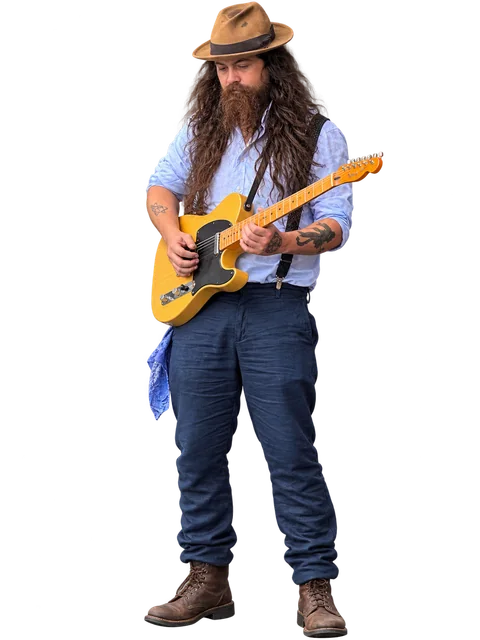
I want more evenings when there is something to do, more places where people can gather, and more opportunities to make something together.
That is what I mean by enchanting the community: a street with music, a room full of stories, a neighbourhood gathering people look forward to, or an old building finding a useful new life.
Music, film, comedy, and storytelling
I want to help organizers develop regular live music, comedy nights, storytelling, screenings, and all-ages performances. Some could be modest recurring events; others could grow into larger gatherings.
Music Week and Film Week are possibilities to develop with enough participating artists, venues, organizers, and audiences. Workshops, performances, screenings, and opportunities for new creators could sit alongside established talent.
On film, I want to distinguish an active film culture from promises of a major production industry. Screenings and workshops serve one purpose. Attracting suitable productions and developing original work for outside audiences serve another. Public support should create shared opportunity, not give one commercial producer a protected advantage.
Regular places for street performers
I want designated busking locations set up for regular and scheduled performances by musicians and other street artists. Music around a corner, a performance during a waterfront walk, or a familiar local artist at a gathering place can enchant and liven the community while helping artists find audiences and earn income.
Locations to explore could include suitable spaces along Queen Street and Gore Street, waterfront gathering places, neighbourhood recreation areas, and proposed food-truck sites. Artists, nearby businesses, residents, and property owners should help choose the locations and hours. No performance site or permission is assumed in advance.
The setup could include clearly marked performance areas, safe electrical access where appropriate, nearby seating, and a simple published schedule. Keep room for spontaneous busking alongside booked times, with fair rotation and an accessible process for emerging as well as established performers. Agree on sound levels, amplification, clear walkways, emergency access, cleanup, and a straightforward way to resolve concerns.
Supporting artists should mean more than asking them to play for exposure. Make voluntary tipping straightforward, promote performers with their consent, and distinguish open busking from commissioned or curated programming that should budget for artist fees. Start with a manageable schedule and review artists' earnings, participation, audience response, and effects on nearby homes and businesses.
Make room for a good conversation
Public debates, talks, interviews, and thoughtful disagreement can be part of local entertainment and learning.
I want places where people can ask questions, hear different views, and leave with something to think about. With permission, some events could become podcasts, films, or recordings that carry local stories and ideas to a wider audience.
Public support should leave room for criticism, including criticism of City Hall. The conversation should belong to the participants, not become a politician's publicity channel.
Look after our stories and places
I want heritage preservation and funding to have clear purposes: caring for important features, restoring what can be restored, enabling access, sharing local history, and finding suitable uses for older places.
That could include walking experiences, oral histories, exhibitions, performances, and careful building reuse. People connected to those histories should help tell them.
Respect for heritage includes understanding what a place means before changing it.
Community life should reach neighbourhoods as well as downtown. Not every worthwhile gathering needs to attract tourists or turn a profit.
Open government
An open City Hall—and a platform you can shape
You should not need connections, a professional proposal, or the right government vocabulary to bring forward an idea.
I want an open-door approach with a clear process behind it: accessible ways to make contact, realistic response expectations, and an explanation of what happens next.
Public involvement should begin before every important choice has already been made. An unused space, difficult application process, recreation gap, or local-event idea could start a public problem-solving session where residents contribute knowledge, identify flaws, suggest another use, or help build an alternative.
- Bring an idea
Share a need, a question, or a different approach.
- Examine it together
Hear different views. Check authority, cost, and practical impacts.
- Explain the next step
Show what changed, what did not, and why.
A proposed approach to participation—not a promise that every idea will be approved.
Make it easier to be heard
I will work toward regular public office hours and clear routes to raise matters in person, by phone, in writing, and online. Being heard should not depend on being free during the workday.
When you raise something, you should know where it went. Was it referred? Does it need more information? Is it being considered? Was it declined, and why?
An open door does not mean every idea gets a yes. It means fair consideration and understandable reasons, with private correspondence and personal circumstances protected.
Put specific ideas in front of people
Alongside the platform, I want a community ideas board with a page for each project: what it involves, who it could serve, what it might cost, what is still unknown, and the next step being considered.
People would be able to indicate their interest, ask questions, raise concerns, and suggest changes. They could also bring forward ideas that are not already on the list.
The interest button would ask how interested someone is in an idea—or in seeing it explored further. It would include a separate way to say “I need more information.”
Interest is not a blank cheque. Being interested in free classes is different from agreeing to purchase a building. Being interested in a waterfront project is different from approving a tax contribution. Those questions should remain separate.
Belonging must show up in municipal services
Work with local Indigenous governments and organizations on concrete municipal commitments to reconciliation, including participation in housing, cultural, and planning decisions. Listen to the people affected and report on follow-through, not only statements of intent.
I also support improving access to French-language municipal services with Francophone residents and organizations. Identify the most useful service improvements, their costs, and a practical way to deliver them. Language access and cultural programming should help people feel they belong here as residents, not only as visitors.
Let people contribute more than a click
Someone might know a suitable room, have a skill to teach, understand a building, want to organize an event, or see a problem everyone else has missed.
The board would make room for that knowledge. Each project would show what people raised, what was checked, what changed, what remains unresolved, and what happens next.
A submitted idea would not automatically become a campaign promise.
There would be a clear difference between my positions, ideas being explored, and community submissions. Website responses would be reported as responses—not presented as the opinion of the whole city or a binding vote.
This would begin as a campaign participation space. Any later municipal system would need its own approval, resources, and privacy arrangements. Giving feedback would not automatically sign someone up for campaign messages.
Adult choice · Public health · Provincial authority
Adult smoking, cannabis hospitality, and regulated choice
Sault Ste. Marie should examine whether informed adults could choose a clearly identified, purpose-built smoking or cannabis-consumption venue without weakening the smoke-free rules that protect ordinary workplaces, restaurants, public buildings, and people who did not choose exposure.
Under Ontario’s current rules, smoking tobacco or cannabis and vaping any substance are prohibited in enclosed public places and enclosed workplaces. Restaurant and bar patios, and public areas within nine metres of them, are also smoke- and vape-free.6 The City therefore cannot authorize most cigar, hookah, or indoor cannabis-consumption lounges by changing zoning or issuing a local business licence. Any serious proposal begins by asking Ontario for a new legal framework, exemption, or carefully limited municipal pilot. Some other outdoor locations already permit cannabis smoking or vaping, subject to provincial prohibited-place rules, City bylaws, and property rules; the policy question here is a licensed hospitality model, not an ordinary lawful outdoor smoking location.
Keep the smoke-free default
A family entering a restaurant, a worker entering a normal workplace, or a customer entering a store should continue to expect a smoke-free environment. A specialized venue would have to be a separate class of adult-only establishment, prominently identified before entry, whose primary purpose includes an activity patrons knowingly choose.
The health risks should not be minimized. Tobacco, cannabis smoke, second-hand smoke, and hookah combustion products are not made harmless by consent. Ventilation, filtration, pressure control, and separation may reduce migration, odour, and concentration; they should not be presented as eliminating exposure.
Worker protection is the hardest question
Customers can decide not to enter. Employment is a more complicated relationship, and a worker’s agreement does not remove the health effect of repeated occupational exposure. The City should support an exception only if Ontario can establish a credible occupational-health model rather than shift the cost onto hospitality workers.
A pilot would need to test whether service can occur outside an active smoking room; whether no employee can be compelled to enter; what physical separation, pressure control, air-clearance periods, exposure monitoring, protective equipment, inspection, and anti-retaliation rules are necessary; and whether a workable commercial model remains. Some models may prove impractical. That result should remain possible.
Do not give every product the same rules
Cigar and tobacco lounges
Combustible tobacco calls for the strongest occupational, building, air-handling, and separation rules.
Hookah or shisha lounges
Rules must address charcoal, carbon monoxide, smoke, and other combustion products—not only whether tobacco or nicotine is present.
Cannabis consumption venues
Provincial consumption and retail rules must address sourcing, advertising, impairment, and the relationship to licensed stores.
Non-smoked cannabis hospitality
Education, producer tourism, and possible future tasting or culinary concepts raise distinct federal production, sale, promotion, and food-control questions.
Cannabis hospitality also needs a lawful supply-and-service model. Ontario’s current retail authorizations are for standalone cannabis stores, not restaurants or lounges. Whether a bring-your-own model using sealed, lawfully purchased products could operate would require coordinated federal and provincial legal review, including consumption, possession, distribution, promotion, retail, and worker-safety rules. A restaurant cannot simply manufacture and sell cannabis-infused food like an ordinary ingredient. Commercial production, products, packaging, labelling, and promotion remain subject to federal controls.7 Alcohol and cannabis service should not automatically be combined.
Set firm boundaries
Any model considered should examine:
Ask for a limited, measurable pilot
If Ontario will not change its rules generally, Sault Ste. Marie could advocate for an opt-in pilot allowing a small, defined number of specialized licences for a fixed period. Possible categories could include purpose-built cigar or hookah lounges, cannabis-consumption venues, a special hospitality regime for outdoor areas that current patio rules do not allow, non-combustible hospitality, and special-event permissions where higher governments allow them.
Public-health authorities, the Province, and the City should measure worker exposure, air quality, complaints, enforcement cost, neighbourhood effects, impaired-driving incidents, business viability, employment, tourism activity, and public acceptance. A licence to experiment should not become a promise of permanence.
If Ontario creates the legal authority, the City should set and administer clear local rules—not subsidize an individual lounge or consumption business. If a lawful private market exists, entrepreneurs can decide whether to take that risk.
This is a proposal to study and advocate for a provincial pilot, not a claim that the City can authorize indoor smoking or cannabis hospitality under current law. Any model would proceed only with provincial enabling authority, all required federal compliance, public-health and worker-safety review, public consultation, and a revocable licensing framework.
This question can sit within the broader destination and night-time economy discussion, but public health, worker safety, impairment, and jurisdiction must be assessed on their own terms—not treated as marketing details.
Learning for life
Learn at every age
I want free foundational life-skills classes for all ages, with a downtown community centre that brings learning, recreation, and culture together.
A teenager learning to cook. An adult getting comfortable with a budget. A senior learning to spot an online scam. Someone learning to sew, apply for a job, use a tool safely, or turn a skill into a business. Those are all reasons to open the door.
Useful things, taught by people who know them
Classes could cover cooking, meal planning, budgeting, digital skills, online safety, basic repairs, sewing, job applications, business basics, caregiving, civic participation, music, writing, and practical making.
Everyday independence
Cooking, meal planning, budgeting, basic repairs, sewing, and caregiving.
Work and enterprise
Job applications, business basics, safe tool use, and practical making.
Digital confidence
Using devices, online services, digital skills, privacy, and scam awareness.
Family, community, and creativity
Civic participation, music, writing, culture, and learning across generations.
Some sessions would suit particular ages. Others could bring generations together: an experienced tradesperson sharing knowledge, a younger neighbour helping someone use a computer, or families learning a useful skill together.
Basic classes should be free to attend, with necessary supplies accounted for. Advanced courses and certifications could have separate funding or fees. Subjects that require qualified instruction must have it, and sponsors should not turn a class into a sales pitch.
A new chapter for the downtown high school
I want to explore repurposing the former downtown high school into an all-ages community centre, provided a workable agreement, building assessment, and long-term budget can be put together.
The vision is a Community School for Life: classrooms and workshops alongside recreation, rehearsal, performance, a community kitchen, and places to meet.
The centre should feel like an active part of community life—not a waiting room or a program people enter only when something has gone wrong.
A Living Culture Club could bring together music, food, cultural events, youth-led activities, creative work, and a consignment shop where local makers and artists could sell what they produce.
People could learn something, practise it, and share it—at a fair, a performance, a workshop, or with a neighbour. A beginner could become a regular participant, and someone with experience could become a mentor.
Start the learning while we work on the building
Free classes do not have to wait for a property deal. I want to begin with willing partners in existing spaces and build a reliable group of instructors and organizers.
The school proposal could involve the whole building, selected spaces, or a mixed arrangement with housing and other uses. The owner's agreement, existing uses, accessibility, safety, and operating costs would all need to be addressed.
Before a major commitment, residents should see the purchase or lease terms, renovation costs, yearly expenses, and who would run it. Another site or a network of spaces should remain an option.
The purpose is a community that keeps learning. The building has to serve that purpose.
A fair chance
Fairness in the everyday economy
Economic justice, to me, means asking whether people have a real choice and a fair chance.
Choosing whether to buy a concert ticket is different from needing a home when there is nowhere else you can reasonably go. A business owner also needs a fair chance to enter a market without unnecessary obstacles or special connections.
I want to look at where people are effectively stuck: too few alternatives, unclear rules, barriers to starting something, or support arrangements that make a step forward harder than it should be.
Within the City's role, the aim is to widen practical choices through housing options, accessible learning, fair business opportunities, and understandable processes.
That means respecting enterprise and personal initiative while examining unfair barriers. Basic dignity and access to learning should not depend on someone's income, background, or achievements. Recognition for skill and contribution should be earned openly—not handed out through connections.
People should have room to build something, take responsibility, change direction, and contribute—and receive help without assumptions about their character based on income, housing, age, or difficulties.
Contracts, grants, space, and publicly supported opportunities should have clear purposes and fair rules. Relationships with a candidate, adviser, donor, business, or elected official should create no entitlement to public work; the same standards should apply to the well connected and the first-time walk-in.
Clear trade-offs
Be straight about taxes and spending
Free classes cost money to run. Buildings need heat and repairs. Events need people to organize them. A promise is not paid for just because it sounds worthwhile.
I want to examine where tax relief addresses a serious burden, where it would be welcome but less urgent, and what would have to change to make it possible.
Show the saving and the tradeoff
A genuine saving from doing a job better is different from reducing opening hours, ending a program, leaving a position vacant, or cutting staff. Residents should be told which is proposed and what it means for service.
A lower tax bill should also be considered alongside any new fees, lost services, or costs pushed into the future. Roads, buildings, and other infrastructure should not disappear from the discussion because their repair bills arrive later.
New programs must include staff time, supplies, administration, insurance, maintenance, and replacement. Using an existing employee’s time does not make a project costless, and volunteers are not an unlimited supply of labour.
Growth should also be examined honestly: new development can add revenue, but it can create additional service and infrastructure obligations.
Count the money that is actually there
Grants, sponsorships, partnerships, rentals, and paid advanced programs may help support particular activities. We should distinguish confirmed funding from hoped-for funding, and one-time money from an expense that comes back every year.
For major proposals, I want residents to see the startup cost, annual cost, funding sources, public contribution, and effect on other priorities. The combined cost of the platform matters, not just the price of each idea considered alone.
I am not putting an uncosted percentage tax cut or an unlimited spending promise on this page. Residents should be able to see both the benefit and the bill.
AI infrastructure · Public protection
Pause large-scale data centres. Put the public first.
Private investors should be free to take technological and commercial risks with private capital. Residents should not be required to take those risks for them without a demonstrable public return.
I support a moratorium on large-scale data-centre applications while local water demand, environmental effects, infrastructure costs, lasting employment, and public liabilities are properly examined, with meaningful engagement with affected First Nations. This is the policy position I support, not a statement that a municipal moratorium is currently in force. Any future reconsideration must meet the tests below.
Artificial intelligence raises serious questions about privacy, surveillance, intellectual property, creative ownership, automated decision-making, and changes to work. Those questions deserve public discussion. They are related to—but not the same as—the municipal decision about a particular data-centre proposal.
For City Hall, the project question is practical: does the development produce durable local benefit in proportion to the land, electricity, water, infrastructure, financial exposure, environmental effects, and long-term liabilities it creates? Different data-centre types have very different resource needs and employment profiles, so each proposal should be assessed on its own evidence.
Show the whole lifecycle—not only the investment headline
Public costs and exposure
- Municipal servicing, roads, and emergency requirements
- Electricity-system, water, and wastewater impacts
- Incentives, tax concessions, and staff capacity
- Land, energy, and infrastructure opportunity costs
- Environmental mitigation and decommissioning liabilities
Durable public benefits
- Construction, trades, permanent work, wages, and training
- Local procurement and recurring municipal revenue
- Useful electrical, fibre, or other strategic infrastructure
- Education, research, and local-business opportunities
- Assets another productive user could realistically reuse
The greater the public exposure, the stronger and more measurable the public return should be. A privately financed project that pays its real infrastructure costs presents a different proposition from one requiring substantial public expenditure while offering limited municipal revenue or lasting employment. This applies the same full-cost principle set out under taxes and spending.
Start with a five-year survivability test
Before significant municipal resources, concessions, infrastructure, or incentives are committed, ask whether the project still makes economic sense if today’s assumptions are wrong five years from now.
Test lower demand and prices for computing services; faster hardware change; loss of a major customer; higher electricity, borrowing, or refinancing costs; slower commercialization; reduced investment; an operator failure; and low resale value for specialized equipment. The purpose is not to predict failure. It is to understand who carries the downside if conditions change. Five years is a minimum near-term stress test, not the full planning horizon; servicing, asset reuse, decommissioning, and public liabilities should also be tested across the expected life of the project.
Protect residents against stranded liabilities
Where infrastructure is being built mainly for one large project, the City should seek—within municipal and provincial authority—lawful cost recovery, financial security, long-term commitments, guarantees, and decommissioning arrangements appropriate to the risk. Electricity and servicing decisions may also involve PUC Services, the IESO, the Ontario Energy Board, provincial authorities, and private parties; City Council cannot promise outcomes controlled by others.
Residual value should be independently assessed and conservatively stress-tested before approval, not assumed after a failure. Who would own the substation, fibre, cooling system, building, roads, and serviced land? Are there financing claims or technical limits? Could another data-centre operator, advanced manufacturer, research facility, or technology business realistically use them?
Bigger ideas · Mosaic
Room to think bigger
I am interested in exploring larger visions for Sault Ste. Marie, including Mosaic—a project described by Jeremy Hannah that brings together ideas for tourism, economic development, and community life.
Its starting question is simple: what could our streets, waterfront, buildings, and surrounding landscape become if we looked at how they could work together?
Mosaic explores Gore Street as a destination district, with “Split Street” as a possible identity; Wonder Wharf, a permanent waterfront fairground with attractions, food, performance, and gathering spaces; a waterfront hotel or resort connected with surrounding experiences; and a major exhibition and convention centre within part of Station Mall.1

The map covers the four downtown and waterfront concepts. The two regional ideas appear separately below and on the dedicated Mosaic page.
The wider vision also considers overnight experiences at Agawa Canyon, including a proposed gondola-accessed ridge stay, and the longer-term possibility of distinctive rail-connected destinations and communities.2
Josh’s assessment
How Mosaic fits the economic plan
I agree with the economic case for examining visions like this. If their individual pieces prove feasible and can be delivered responsibly, they could help diversify Sault Ste. Marie’s economy by adding more sources of outside revenue and local demand across visitor experiences, accommodation, events, culture, construction, technical work, transportation, maintenance, and independent business.
The value is not one attraction or construction project on its own. It is the possibility of several connected sources of activity supporting one another while remaining independently accountable. That would complement—not replace—the employers and industries that already sustain the city, and it would apply the same goal described in More ways to make a living.
For residents, a broader mix of opportunity could mean greater peace of mind and more confidence in building a future here. For people deciding where to invest, confidence should come from tested demand, clear rules, capable partners, visible costs, and accountable delivery—not from promotional language alone.
These ideas bring several interests to the table: residents, property owners, businesses, potential operators, investors, community groups, Indigenous governments and rights holders where relevant, and the appropriate public bodies.
The ambition can remain visible while those practical questions are examined. Clear caveats should make room for scrutiny, not erase the idea.
Mosaic would be one contribution to that conversation, not the only one. Residents should be able to bring forward their own larger ideas and receive the same consideration.
From ideas to work
Start the work. Show what happens.
I would begin by bringing people together around a manageable set of projects: free life-skills classes in existing spaces, community fairs and cultural events, a clear route for public ideas, and a practical look at purchasing gaps local businesses might fill.
Alongside that, I would pursue the information and partnerships needed to assess a permanent community centre and explore larger development opportunities.
For each major initiative, I want a clear public account of what we are trying to accomplish, who is responsible, what it costs, when it will be reviewed, and what would make us change course.
We need to ask what happens after the first step: after an event ends, after the first year, after a grant runs out, and when maintenance comes due. Participation, learning, useful connections, lasting improvements, and public cost should matter more than an announcement alone.
We should also ask what people do in response and what happens to existing businesses and services. Attendance or program activity is not the same as a lasting result; measure the outcome the project was meant to achieve.
If something works, build on it. If it needs changing, change it. If it does not justify continuing, explain that and make a responsible decision, including arrangements for anyone who depends on the service.
Public participation should continue through that process—not end when the announcement is made.
More opportunities to learn and earn. More places to gather and create. More say in what happens here. That is the direction I want to work toward with the community.Share a question or idea
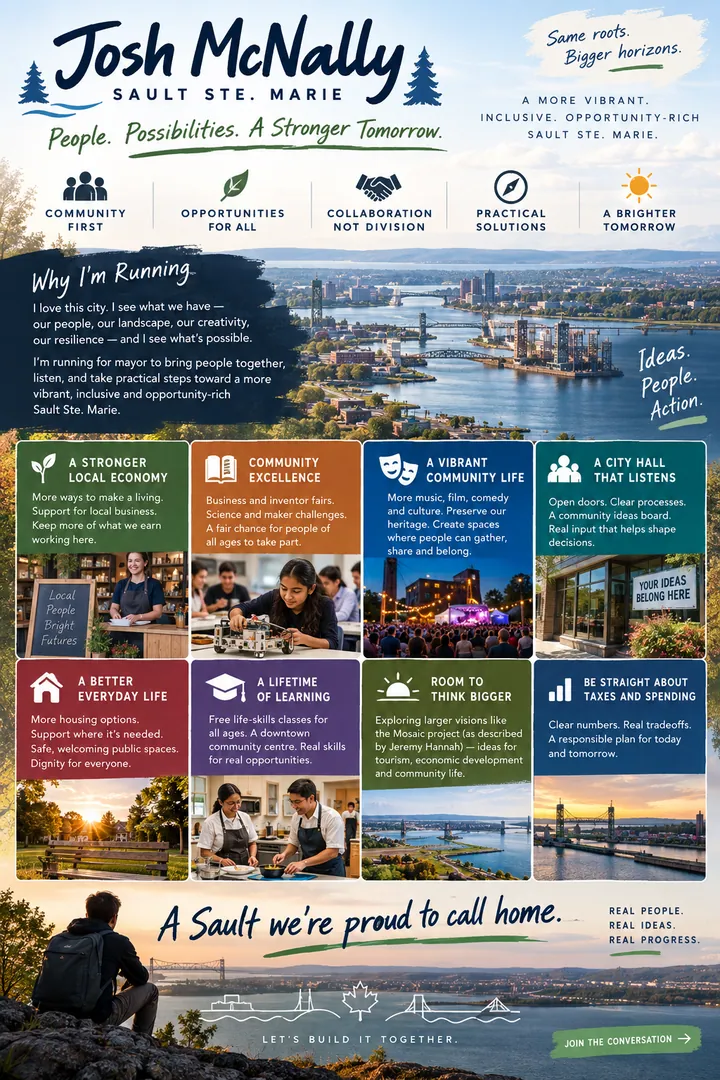
The plan at a glance
Explore the campaign visuals
The complete written platform above is authoritative. Open the visual overview as an accessible page-turning guide.

Source notes
- Mosaic — Series Pitch and Location Guide, Working Treatment 2.0, pages 3–4. The source describes the Gore Street / Split Street, Wonder Wharf, waterfront accommodation, and Station Mall exhibition concepts. These are development ideas, not evidence of current site availability, approvals, financing, or partner agreement.
- Mosaic — Series Pitch and Location Guide, Working Treatment 2.0, page 5. The source describes the Agawa Canyon gondola-and-ridge accommodation concept and rail-connected destination concepts. Routes, sites, permissions, and commercial feasibility are not established by the treatment.
- City Solicitor report, September 14, 2020, and the official Council minutes. The report records the properties, price, fire and licence history, and City-stated downtown and gateway rationale. The minutes record the public 10–1 vote on By-law 2020-171.
- The Integrity Commissioner’s report in the November 9, 2020 Council agenda records the absence of an appraisal and the combined MPAC assessment. The Ontario Ombudsman’s March 2, 2021 finding addresses the July 13 closed meeting. These reviews concern process and conduct; they do not decide whether the purchase price or broader policy was wise.
- City-posted Zoning By-law 2005-150, May 2025 consolidation, section 4.7.1, says adult-entertainment-parlour services are not permitted in any zone category. The City’s current general licensing page still lists adult-entertainment owner and operator licence categories. Zoning permission, business licensing, legal non-conforming rights, and a site-specific planning application are distinct legal questions.
- Ontario’s smoking and vaping location guide, the Smoke-Free Ontario Act, 2017, and Ontario Regulation 268/18 set the current enclosed-place, workplace, patio, and controlled-room rules. Ontario municipalities may add more restrictive local rules; they cannot use zoning or licensing to displace the provincial prohibitions. Health Canada’s second-hand-smoke guidance explains why ventilation and separation do not eliminate exposure.
- Ontario’s Cannabis Licence Act, 2018 and Ontario Regulation 468/18 govern current retail authorizations and standalone-store requirements. The federal Cannabis Act and Cannabis Regulations govern commercial production, products, packaging, labelling, and promotion. Ontario consulted on consumption venues and special-event permits in 2020, but did not create the proposed venue regime.
- City of Sault Ste. Marie, community update, September 2, 2026: approximately $250 million for Phase 1 and a Council commitment of up to $15 million contingent on the remaining federal and provincial funding. These later figures should not be confused with the earlier March costing.
- City Council agenda, March 23, 2026, Port business-case material (page 71 and following): proposed cargo laydown, rail transload, rail improvements, and tenant-ready industrial infrastructure; an estimate of 1,400–1,800 construction-related full-time-equivalent positions. The March material used an earlier approximately $200-million project costing. Employment estimates are projections, not guaranteed outcomes or permanent jobs.
- City of Sault Ste. Marie, Great Lakes and St. Lawrence Cities Initiative update, May 7, 2026: business-case estimate of 4,450 fewer heavy-truck trips per week. Actual reductions depend on cargo adoption and the operating activity achieved. Different operating forecasts have been published; they are not combined here.
- City Council agenda, April 13, 2026: the City’s agreements with HOPA Ports and Algoma Steel establish a framework for a public-access port serving commercial users. An agreement or development framework is not evidence that all financing, permits, or construction are complete.
- City of Sault Ste. Marie, Housing Action Plan 2023–2028, actions 3.5, 3.9, and 6.4: assess down-payment assistance and a vacant-home tax, and include Indigenous and marginalized communities as housing partners. These planning directions do not establish that a tax or assistance program has been implemented.
- CMHA Ontario, Involuntary Treatment: discussion of voluntary recovery, coordinated services, and the distinction between admission and consent to treatment. Cited for policy context, not as an endorsement of this campaign.
Platform published September 2026. This page describes proposed priorities and a proposed participation system; it is not a project approval. The moderated Mosaic comment feature is a campaign discussion, not a municipal consultation, representative poll, or binding vote.
Address social disorder and despair
I want us to take the full problem seriously: addiction, mental-health crises, houselessness, poverty, isolation, and the harm people experience when shared spaces become unsafe. Residents, workers, businesses, and people in crisis all deserve a response that protects their safety and dignity.
We should not accept violence, harassment, or unsafe public spaces as inevitable. Nor should we treat poverty, illness, or being without a home as a person's identity—or assume that everyone needs the same intervention. Address harmful behaviour and the needs behind a crisis; do not confuse moving a problem out of sight with solving it.
The objective is not simply another announcement, a larger budget, or another program. It is fewer people left in despair, safer neighbourhoods, and practical help that makes a lasting difference.