Known onstage as The Preacher, Josh McNally is a
blues artist from Sault Ste. Marie. He is running for mayor to bring
a grounded, independent voice to City Hall.
Josh earned the name “The Preacher” at the famed
Buddy Guy’s Legends while studying blues in the
heart of Chicago. Learning fingerstyle Chicago blues from friends
and mentors helped shape the sound he brings to the stage today.
Music is built on listening: hearing the room, finding the rhythm,
and bringing people together. Josh believes local leadership should
work the same way—listen first, speak plainly, and stay accountable
to the whole city.
Whole notes, without half steps.
Good solutions start by understanding the whole problem. Then we
bring the right people together and follow through—without
settling for half measures.
Tourism and creative work can broaden the economy. Affordable
housing, accessible care, and support built around each person
can make daily life better. Both belong at the centre of the plan.
Give people reasons to visit, stay longer, and come back. Connect
music, festivals, food-truck parks, heritage, downtown, and the waterfront—with
paid opportunities for local creators and customers for local businesses.
A broader economy can give residents and investors more confidence
in the Sault’s future.
Take social disorder and despair seriously. Work toward affordable
homes, timely voluntary treatment, and individualized support with
the organizations already serving people. Fill service gaps, make
shared spaces safer, and change the approach when the evidence changes.
Create fair chances for entrepreneurs, inventors, builders, students,
and performers to demonstrate their work. Give people an open route to
feedback, mentorship, and a next step.
Make more room for music, film, comedy, stories, heritage, and
neighbourhood gatherings across the city. Set up designated places for
regular and scheduled busking so artists can earn income and bring public
spaces to life.
Offer clear ways to raise an idea, follow what happens to it, and
understand why a decision was made. Keep opinions, proposals, practical
help, and campaign communications separate.
Start free foundational life-skills learning in existing spaces while
carefully exploring a permanent all-ages community centre. Let the
learning begin before any property decision is made.
Sault Ste. Marie is shaped by the water, built by working people,
and strengthened by neighbourhoods with their own stories. City
Hall should see the whole picture—and never lose sight of the people
who live inside it.
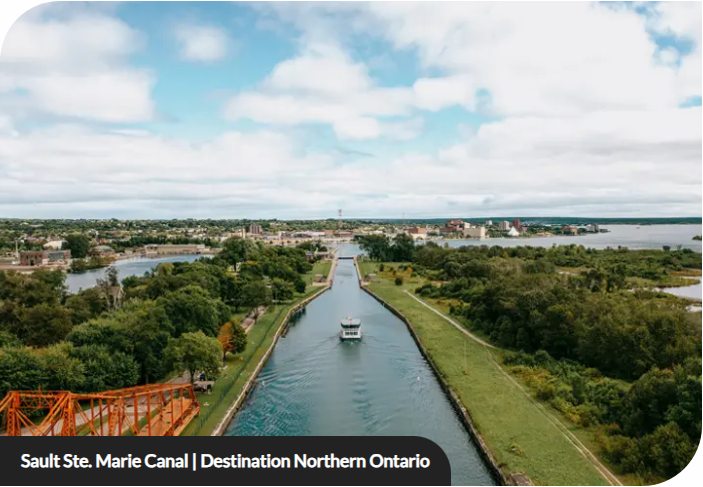
Connected by waterThe canal at the heart of the city
Our history, environment, tourism, and future all meet at the waterfront.
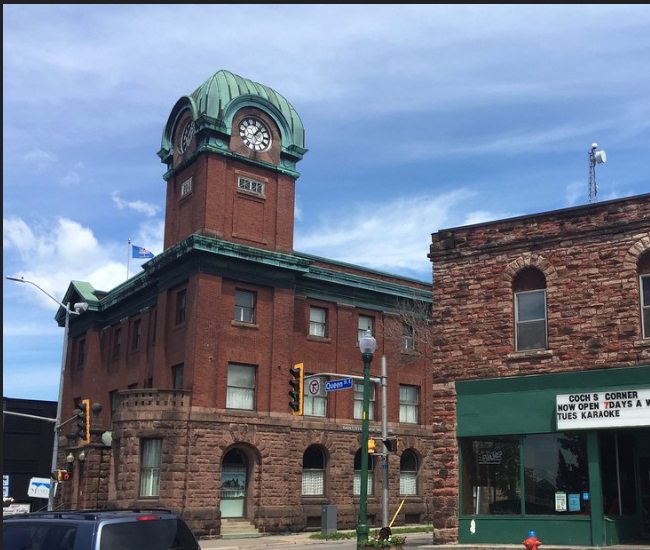
DowntownHeritage with a future
Local business, safer streets, and public spaces people are proud to use.
CITY CONTEXT / 01
One city. Many distinct places.
The platform applies across the whole municipality while recognizing
that downtown, waterfront, residential, industrial, and rural-edge
communities do not all face the same questions in the same way.
CITY-WIDE / 01
One city, every neighbourhood
Leadership has to reach every street.
From the waterfront and downtown to every residential street and
rural edge, residents deserve the same thing: to be heard, treated
fairly, and kept informed.
Listen where people live
Make decisions in the open
Measure progress across the whole city
06
Community School for Life
Start the learning. Study the building separately.
Josh proposes free foundational life-skills classes for all ages and
wants to explore an all-ages downtown community centre.
The commitments are separate: classes can begin with willing partners
in existing spaces. Permanent use of the former downtown high school
would require an agreement, a building assessment, accessibility and
safety work, clear operating responsibility, and a sustainable budget.
Josh is interested in exploring larger visions for Sault Ste. Marie,
including Mosaic—a project described by Jeremy Hannah
that brings together ideas for tourism, economic development, and
community life.
Its starting question is simple: what could our streets, waterfront,
buildings, and surrounding landscape become if we looked at how they
could work together?
Josh also sees an economic reason to examine that question. If the ideas
prove viable and are delivered responsibly, their combined effect could
broaden the city’s economic base, support more local work, and build
longer-term confidence for residents and investors. Those are outcomes
to test—not results to assume.
These are connected possibilities for places to visit, businesses to
build, events to host, and reasons to spend more time in the city.
Mosaic · The waterfront today
The places behind the possibilities.
These waterfront views put the Mosaic discussion in its real setting.
Across the river behind Josh in the blue-sky photograph is the former
proposed Gateway site and fish hatchery area—a connection between the
places we know today and the waterfront possibilities being explored.
Josh McNally on the waterfront—part of the setting for the Mosaic discussion.Josh by the river.A blue-sky day by the water. Across the river behind Josh: the former proposed Gateway site and fish hatchery area.
Photographs of the waterfront today, not renderings or confirmation of approved development sites.
≠
Exploration is not a promise
Give worthwhile ideas a proper look.
Being interested in an idea is not the same as promising to
build it. Josh wants room for residents, property owners,
businesses, community groups, and potential partners to examine
larger possibilities, suggest changes, and bring forward ideas of
their own.
What would people use?
Who could help make it happen?
What would it cost, and who would pay?
What would it give back to the community?
The intention is to make space for those conversations—and give
worthwhile ideas a proper look.
Mosaic concepts are attributed to Jeremy Hannah and are presented here
for exploration. Project feasibility, sites, approvals, ownership,
funding, and partnerships have not been established. Any land or rail
proposal would require appropriate engagement with landowners,
operators, public bodies, and Indigenous governments and rights holders.
A city moving forward must make room for truth, honour survivors and
families, and listen to Indigenous voices with care and consistency.
Work in this area must be shaped through sustained listening with local
Indigenous governments, communities, survivors, families, language
speakers, and knowledge holders—not through a website question or a
claim of endorsement.
SAULT STE. MARIE•ONE CITY•MANY VOICES
Community participation
Your say, with room to disagree.
A community conversation should leave room to ask a question, compare
different answers, and say what still needs work. This is one example
of the questions residents could help examine. You do not have to agree
with Josh or with a proposed idea to take part.
Community discussion · Nonbinding campaign feedback
Should Sault Ste. Marie change its name?
A city name carries history, identity, and practical consequences.
This question is being opened for discussion—not presented as a decision already made.
What is worth considering?
Pronunciation and finding the right place
How easy is the present name to say, spell and find online? Have you encountered confusion, and would a different name actually help?
Our identity and our neighbour
The Ontario city shares its name with Sault Ste. Marie, Michigan. Would a different name make our Canadian city’s identity clearer, or is the shared name a connection worth keeping?
Anishinaabe place names
Bawating is one name proposed for this discussion. Batchewana First
Nation uses the spelling “Bawahting” in its account of the area’s
history and identifies it with the rapids. Any serious naming discussion
should involve local Anishinaabe governments, language speakers, and
knowledge holders, including decisions about spelling, meaning, and
pronunciation. No endorsement is implied.
History, continuity and cost
What would be gained or lost? A change would affect local attachment,
French-language heritage, signs, businesses, addresses, records, and
transition costs. Recognition of more than one name is also an option to examine.
Accountable public input
Close the loop.
Josh wants public input to lead to clear answers: what was raised,
what was checked, what changed, what did not, and why. This is the
approach he wants to bring to civic decisions.
01ReceivedA contribution enters the review queue.
02Needs clarificationQuestions and missing context are identified.
03ResearchEvidence, authority, cost, and impacts are checked.
04DiscussionDifferent views and affected parties are included.
05RevisedThe proposal changes when the evidence calls for it.
06Decision with reasonsThe outcome and unresolved matters are dated and explained.
Response summaries
Responses, not votes.
Any future summary will show the question version, dates, valid response
count, option distribution, inclusion rules, data timestamp, and the limits
of a voluntary self-selected sample. It will not claim to represent the city.
Disagreement belongs
Moderate conduct, not viewpoints.
Harassment, threats, exposed personal data, spam, and unlawful content
can be excluded. Good-faith disagreement with Josh or any proposal remains eligible.
Different actions, separate choices
Choose how you want to take part.
Reading the platform, expressing an opinion, proposing an idea, offering
practical help, and receiving campaign communications are different actions.
One never signs you up for another.
01
Add a view
Consider the city-name question, with room for different views.